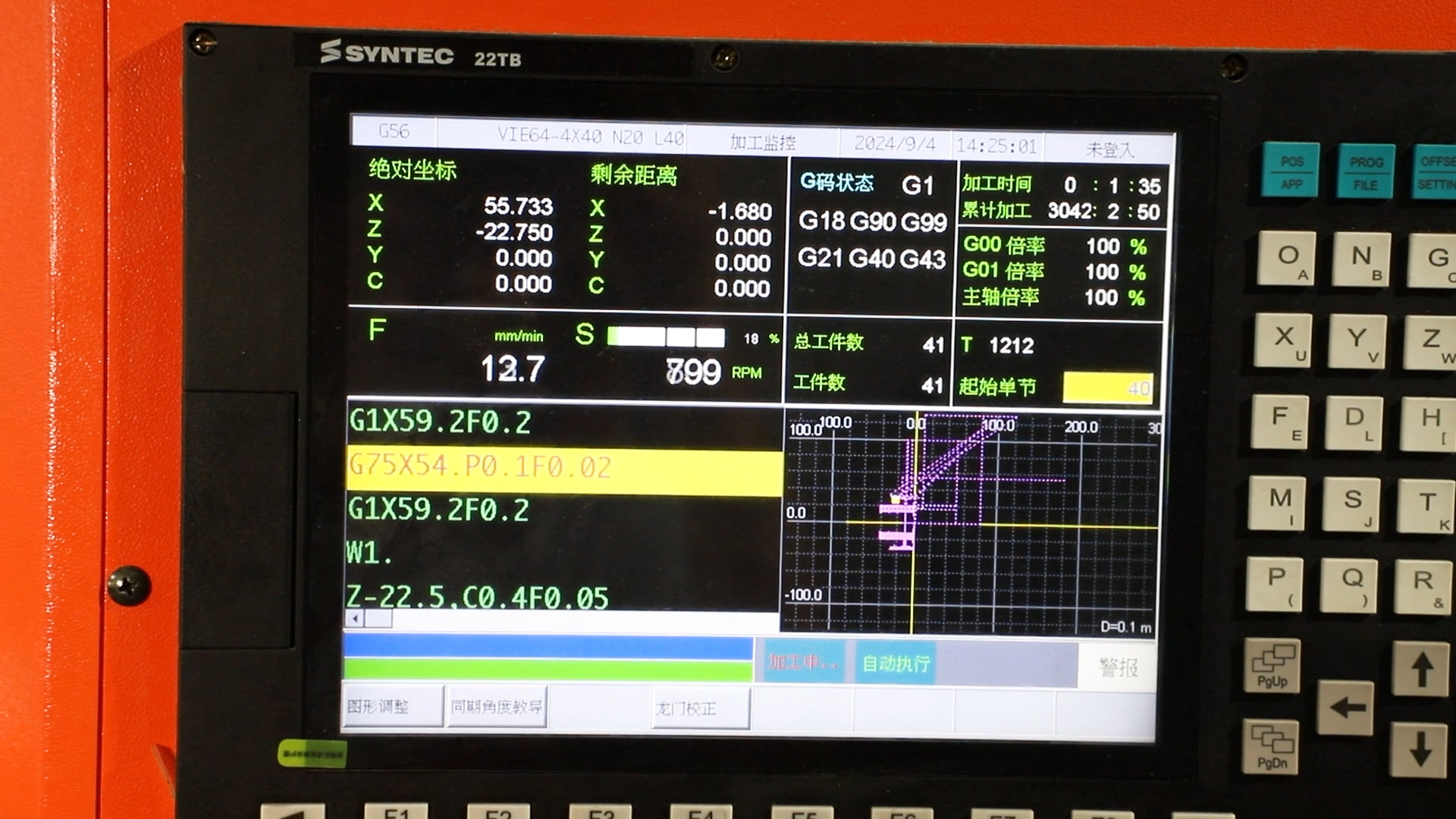
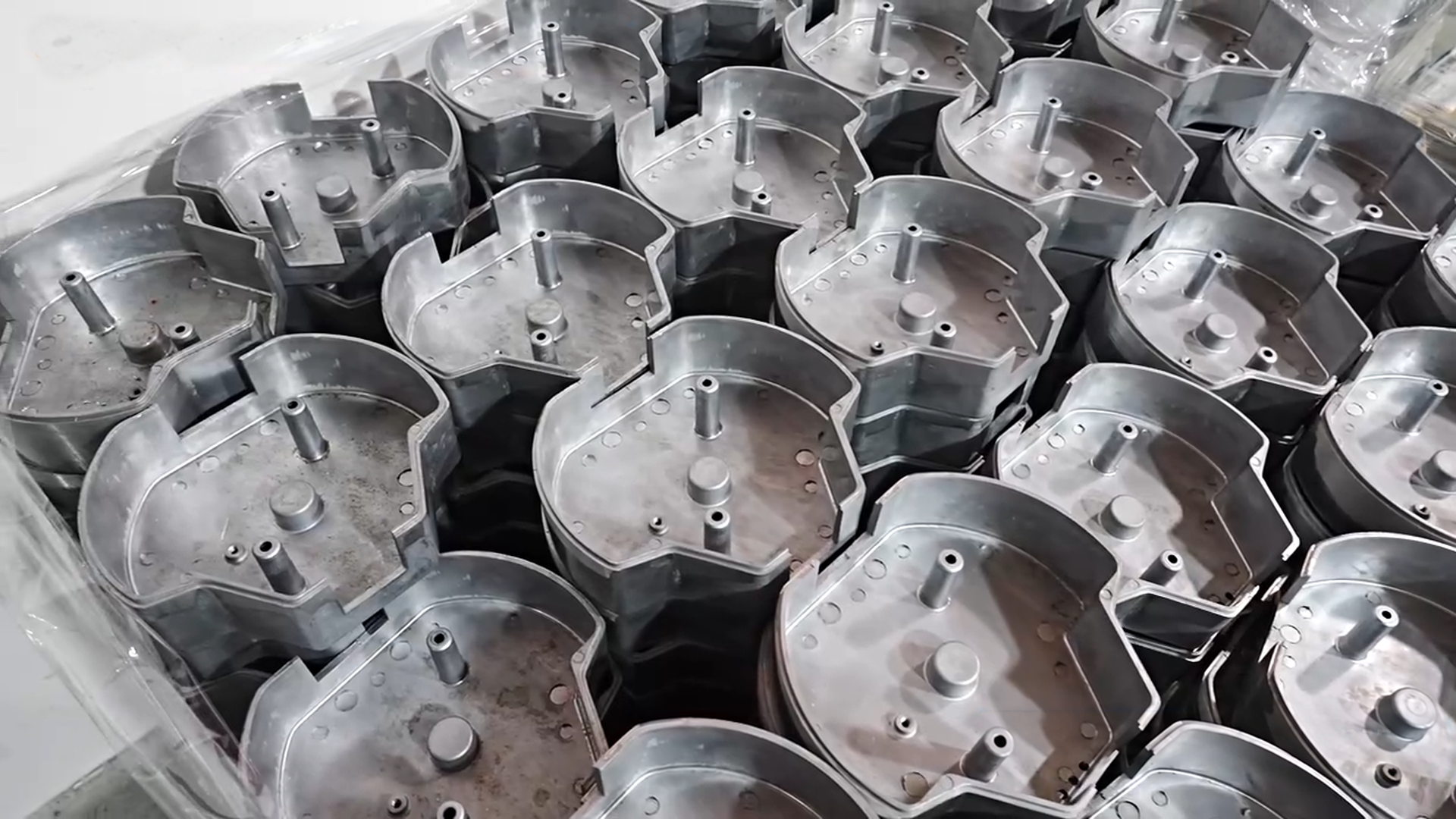
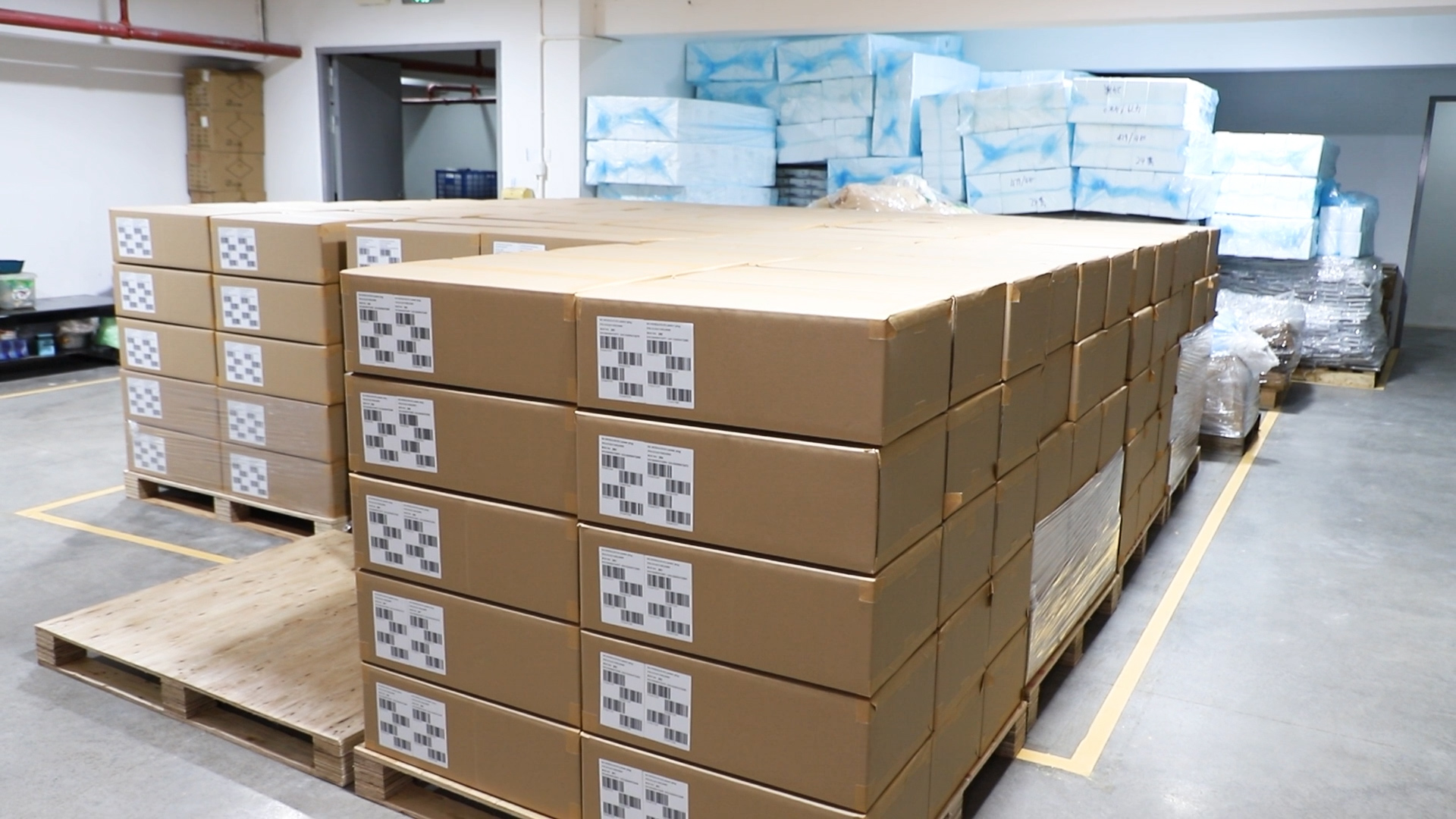
LOAD PATH. FORMED MATERIAL. FINISH MACHINING.

Custom Forging
Services

Evaluate forging when material flow and final machining must work together.

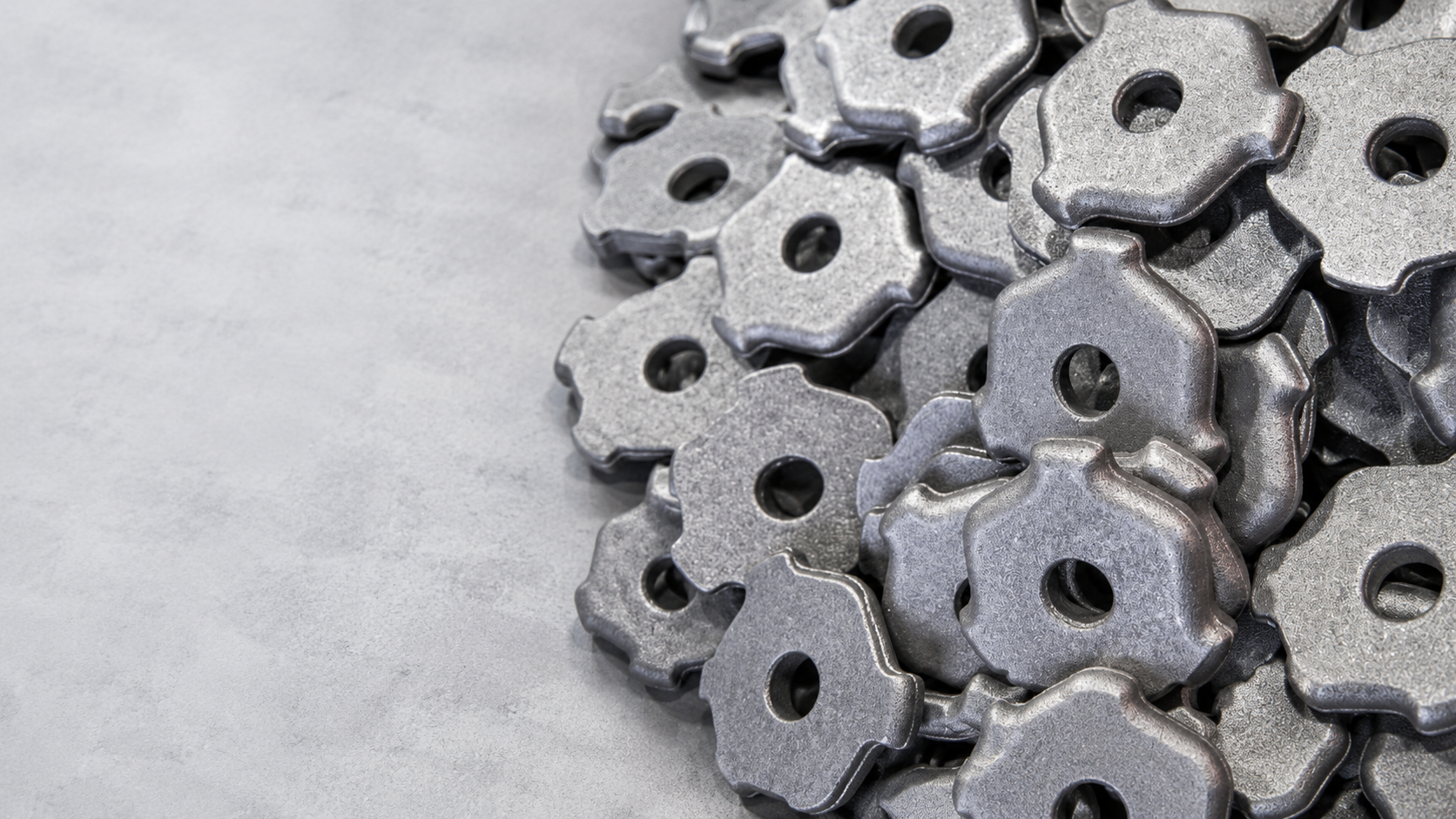
Forging is considered for strength-critical components when a formed starting shape can support the load path, material choice and final geometry more effectively than machining all material away from solid stock. The drawing review considers preform, draft, machining allowance, heat-treatment requirements and the critical features that need finish machining. Aluminum, 45# steel and stainless steel can be reviewed for the required route.

Drawing Review Material & Finish Options Production Coordination
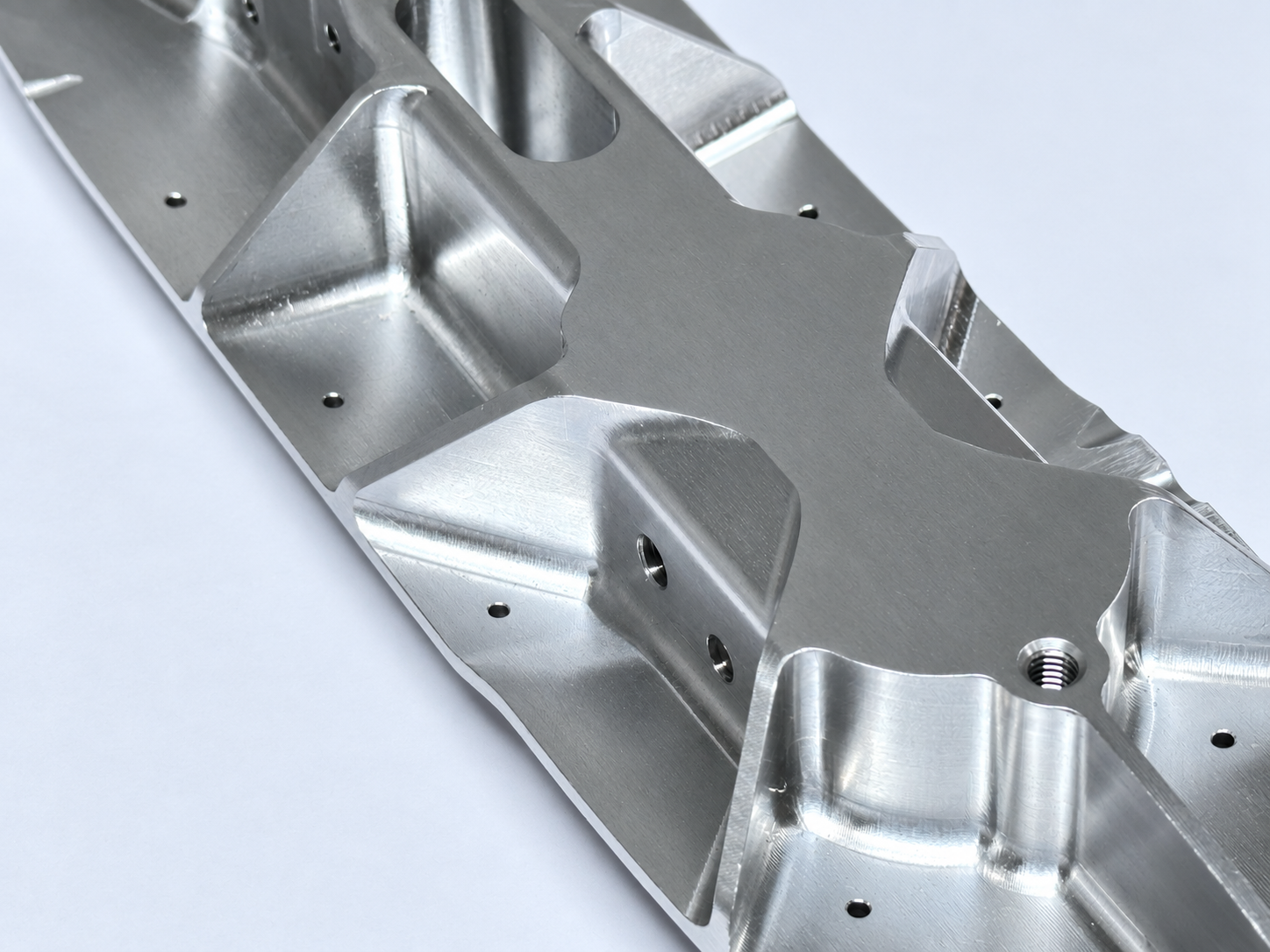
Forging & Finish Machining production equipment and componentsFrom Your Drawing
to Real Parts

MATERIAL OPTIONS

Choose the Right
Material for Your Part.

Forging material is reviewed with loading, geometry, preform, machining allowance, heat-treatment requirements and final machining. A forged route is selected only when the formed starting shape is appropriate for the finished part.

Aluminum material referenceMaterial guide

SELECTED MATERIAL

Aluminum

A practical choice where low mass, corrosion resistance and efficient machining are important.

Common Grades
6061, 6063, 6082, 7075, 2024, 5052
Key Characteristics
Lightweight · Good machinability · Corrosion resistant
Typical Applications
Housings, brackets, heat sinks and aerospace components
Available Finishes
As machined, anodizing, sandblasting, powder coating
Discuss your material choice →

SURFACE FINISHES

The Finish That
Fits Your Application.

Separate forged surfaces from bores, threads, mounting faces and other functional interfaces that need finish machining. Identify protective finish, heat-treatment requirements and surfaces that must remain suitable for assembly.

01

Heat Treatment

A project-specific thermal process reviewed with the approved material and finished-part requirements; it is coordinated externally when required.

View More
02

Black Oxide

A black conversion-finish route for compatible steel parts, reviewed with critical dimensions and the required appearance.

View More
03

Powder Coating

A protective finish route reviewed with forged and machined surfaces, masking needs and assembly interfaces.

View More
04

Painting

A finish option for defined color and coverage requirements after the forged and machined surfaces are reviewed.

View More
05

Machining

Secondary CNC machining for drawing-defined bores, threads, mounting faces and other functional interfaces.

View More

BUILT FOR A WIDE RANGE OF INDUSTRIES

Forging & Finish Machining
for Real-World Applications

Suitable for strength-critical parts where the geometry, material and loading direction justify a forged starting shape followed by finish machining. The route is compared with machining from solid on a drawing and project basis.

Explore All Applications →
Automotive precision manufacturing

Automotive

Load-bearing, drivetrain and suspension-related components

Aerospace precision manufacturing

Aerospace

Program-specific high-strength forged components

Medical Devices precision manufacturing

Medical Devices

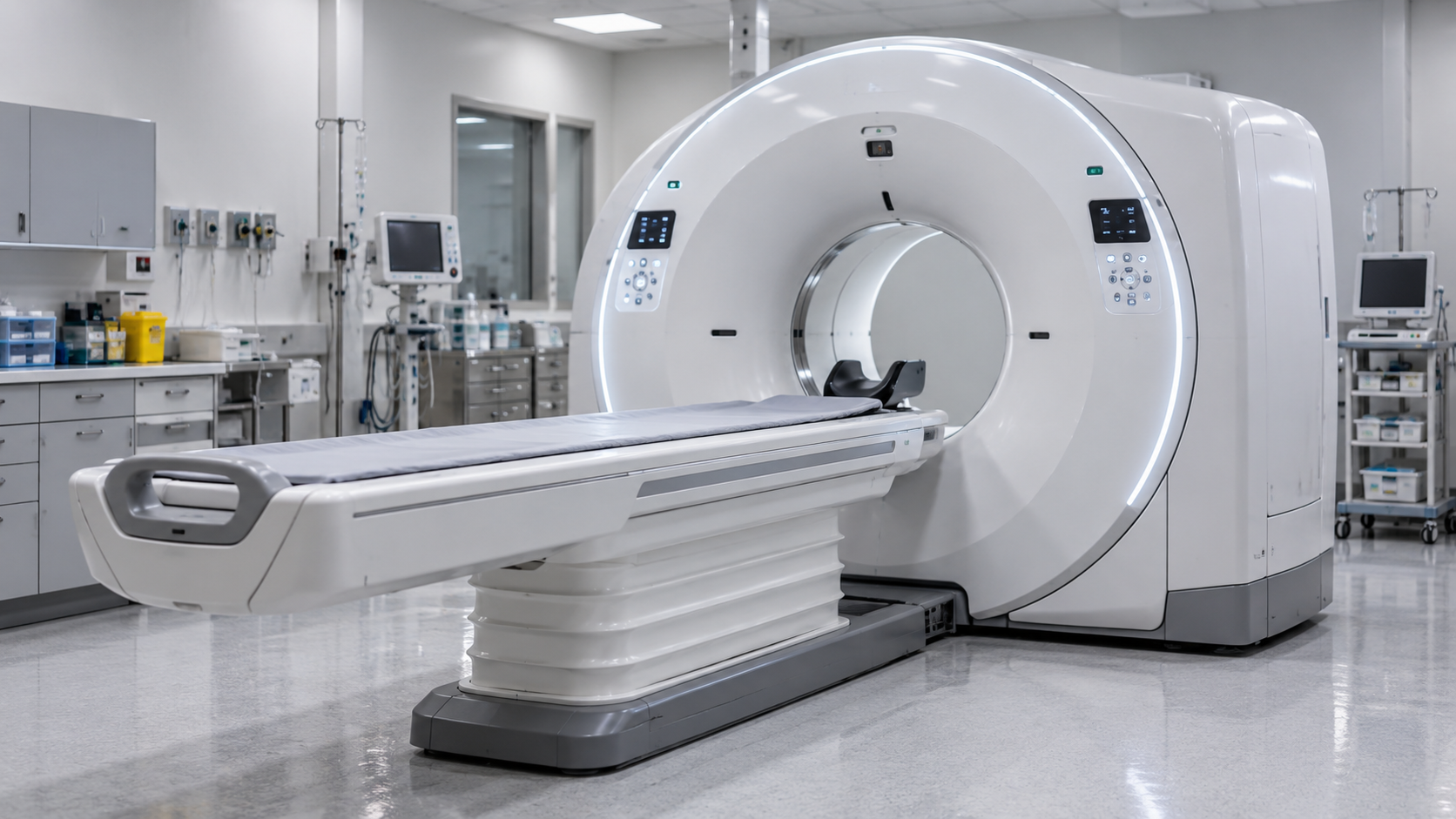
Durable equipment interfaces and strength-critical components

Communication precision manufacturing

Communication

Robust mounting hardware and equipment-support components

Energy precision manufacturing

Energy

High-strength fittings, shafts and power-equipment parts

Marine Vessel precision manufacturing

Marine Vessel

Load-bearing fittings and marine equipment components

BUILT FOR DEMANDING PROJECTS

Inputs That Shape a
Forging Route

The review connects the material path and forged preform to the machining allowance and critical features of the completed part.

01

Load Path & Material Flow

Forging can be considered where a formed material path may support the part’s loading needs; the benefit depends on material, geometry and the approved route.

02

Preform & Draft

Review the starting shape, draft and material distribution with the features that will remain forged and those that need finish machining.

03

Machining Allowance

Identify bores, threads, mounting faces and other critical interfaces so the forged form leaves a practical route for final CNC work.

04

Heat Treatment

State heat-treatment requirements in the project package. Heat treatment is coordinated externally and is reviewed for the applicable material and part.

05

Inspection Scope

Define drawing-critical features, material requirements and documentation needs before the manufacturing route is agreed.

Real forging & finish machining production reference

A CLEARER PATH TO YOUR PARTS

From Drawing to Delivery

The route is planned from material and preform through forging, externally coordinated heat treatment where required, finish machining and drawing-defined inspection.

01

Send Drawings

Provide the 2D/3D drawing, material, quantity, loading or functional requirements where relevant, critical features, heat-treatment needs, finish machining, delivery target and inspection requirements.

02

Forging Review

Review whether the geometry, material, preform, draft, machining allowance and planned volume support a forged route versus machining from solid.

03

Forging & Heat Treatment

Coordinate cold or hot forging as appropriate to the approved part and material. Heat treatment, where required, is coordinated externally.

04

Finish Machining & Inspection

Plan CNC machining for critical bores, threads and interfaces, then check drawing-defined forged and machined features against agreed requirements.

05

Delivery Planning

Schedule from the approved material, forging route, heat-treatment needs, finish machining, quantity and agreed delivery terms.
QUALITY ASSURANCE

Quality Built In.
Confidence Delivered.

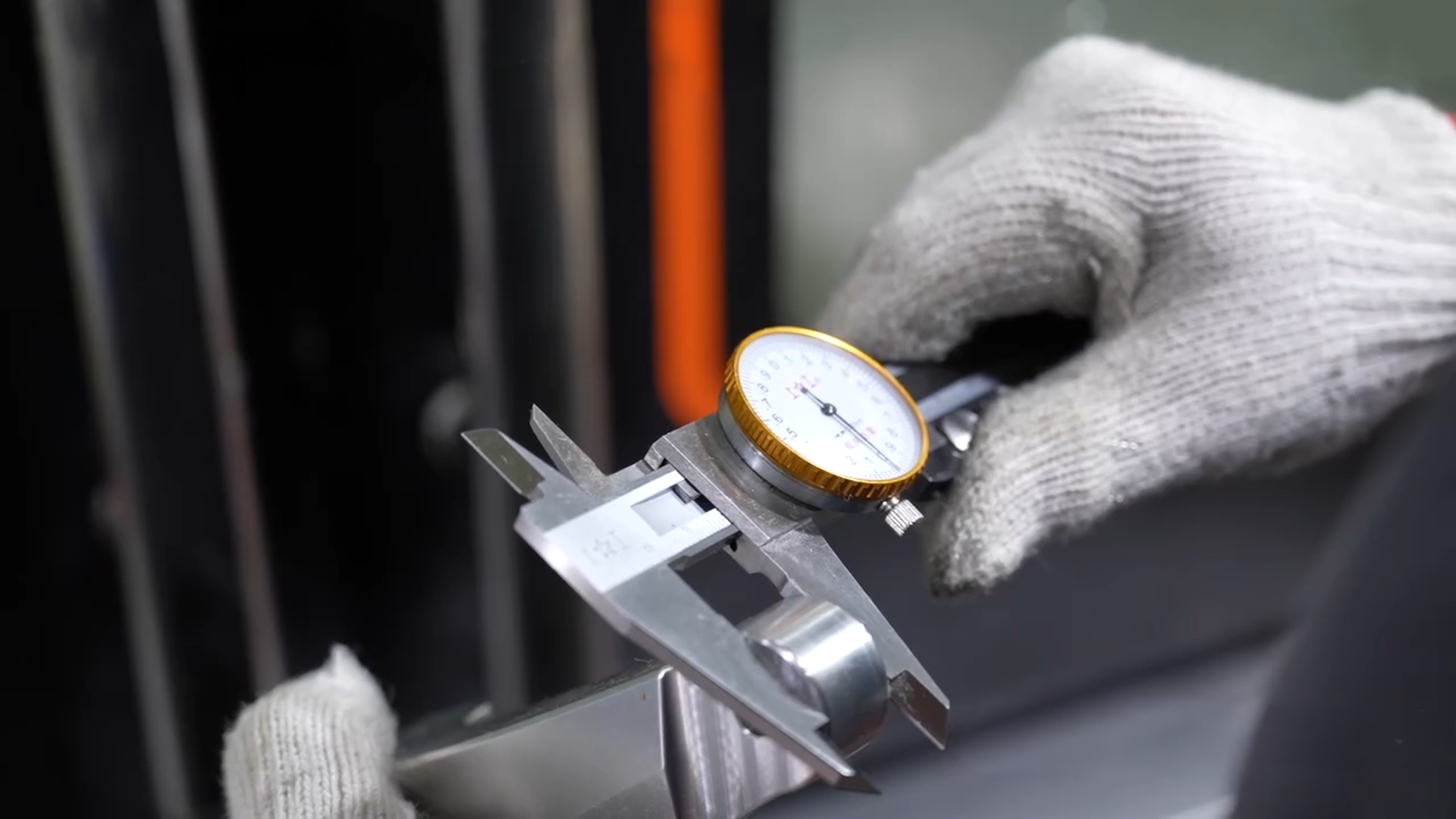
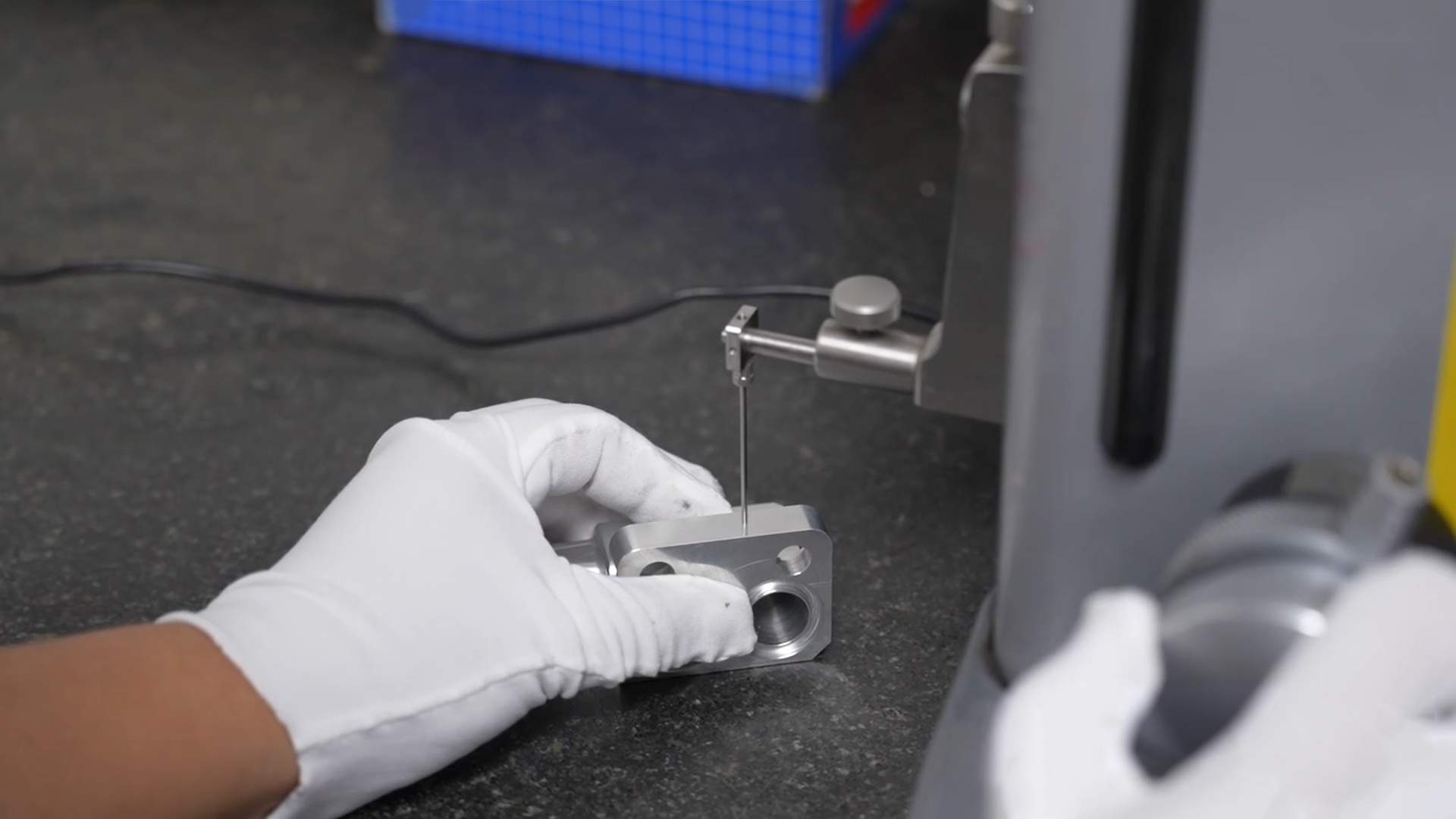
Inspection is planned around the finished part’s drawing-defined forged geometry, machined interfaces, material requirements and assembly-critical features. Documentation is available when specified.

Our Quality Process →
  • Drawing Requirement Review
  • Material Verification
  • Surface & Appearance Check
  • Process Documentation
ItemSpecification
Forged & machined featuresDrawing-defined forged geometry and finish-machined interfaces are checked against agreed requirements; inspection scope is planned for the project.
Inspection ApproachProcess-appropriate visual, dimensional and functional checks.
Inspection StandardsBased on customer drawings and agreed specifications.
DocumentationInspection information and material documentation available when specified.
Quality PlanningRequirements reviewed before production and monitored through delivery.

FROM PROTOTYPE TO PRODUCTION

Flexible Volumes.
Consistent Quality.

Timing is planned after the material, forging route, preform, heat-treatment requirements, finish machining and inspection scope are approved. No fixed forging lead time or weight range is published.

Route Evaluation manufacturing at T-One

Route Evaluation

Compare forged starting shape and machining-from-solid options against material, geometry, quantity and functional requirements

Prototype & Approval Planning manufacturing at T-One

Prototype & Approval Planning

Plan material, heat-treatment requirements, finish machining and drawing-defined inspection before scheduling

Repeat Production Review manufacturing at T-One

Repeat Production Review

Review quantity, forging route, secondary machining, finish and documentation requirements for the approved part

FREQUENTLY ASKED QUESTIONS

Your Questions, Answered.

READY TO START?

Upload Your Drawings.
Get a Quote.

Send the 2D/3D drawing with material, quantity, critical features, loading requirements where relevant, heat-treatment needs, finish-machining requirements, delivery target and inspection requirements. Identify which surfaces may remain forged and which require final machining.

Get a Quote →