
🇬🇧 English
MATERIAL GUIDE
Materials by
Manufacturing Process
Use process-specific material tables to compare the trade-offs that affect geometry, manufacture, finish and the finished part.
Get a Quote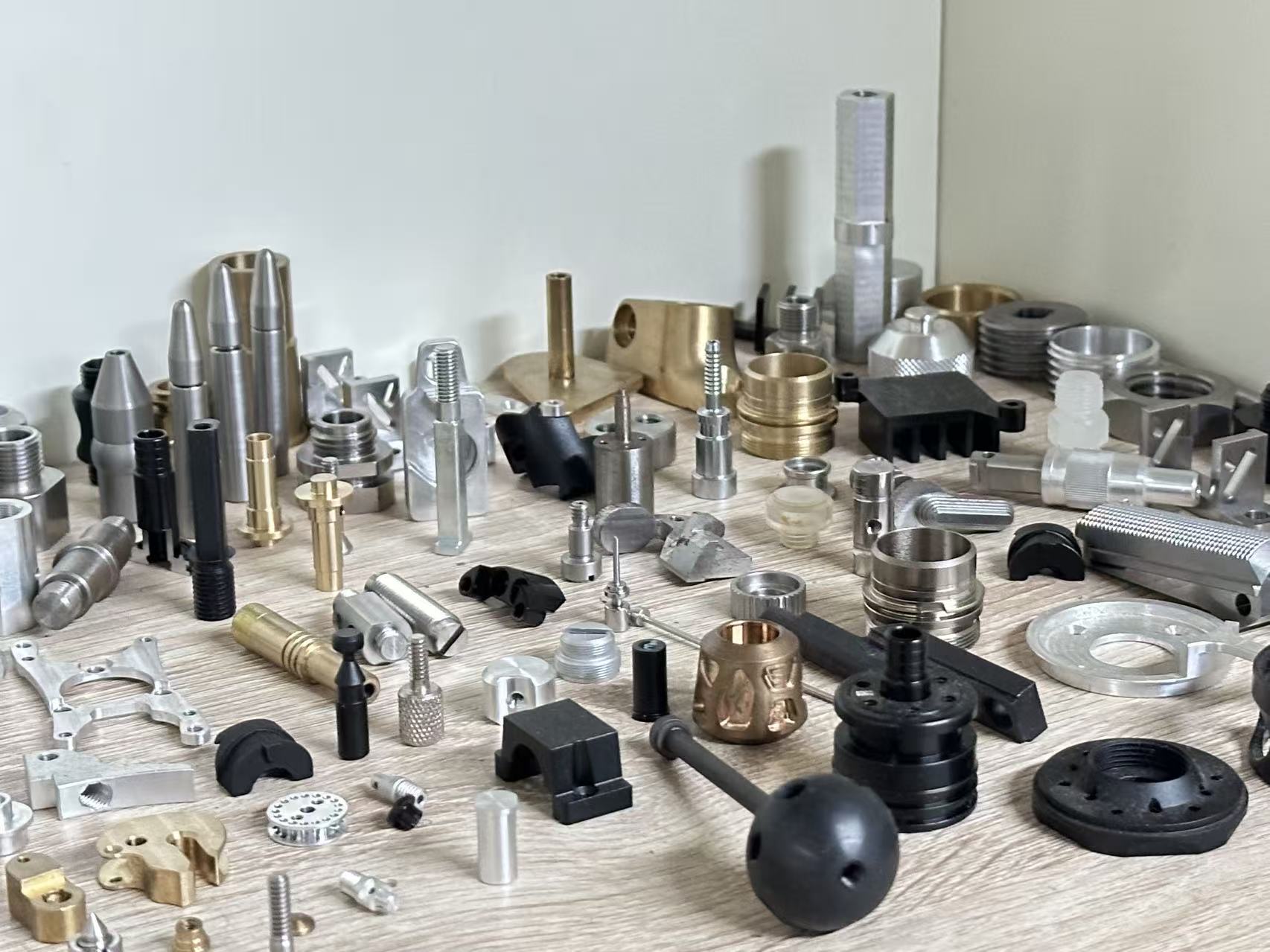
PROCESS COMPATIBILITY
Find the Right Material for Your Process
Start with the part’s function, geometry, environment and finish. Then confirm the grade, process route, inspection needs and availability against the drawing and production requirements.
CNC Machining — Metals
Metals for machining; select around the trade-off between weight, strength, corrosion exposure, machining access, finish and the cost of the required grade.
| Material | Grades | Description |
|---|---|---|
| Aluminum | 6061, 6063, 6082, 7075, 2024, 5052 | Often selected where lower weight, corrosion resistance and practical machining matter; review grade, wall stiffness, finish and critical interfaces together. |
| Stainless Steel | 303, 304, 316, 316L, 410, 416, 420, 17-4PH, 15-5 | A choice for corrosion exposure and durable parts; grade selection affects machining behavior, finish route and the requirements of the finished component. |
| Steel | 1018, 1045, 1215, 4130, 4140, 4140PH, 4340 | Used for load-bearing, shaft and tooling-related parts; review strength need, machinability, corrosion protection and any post-process requirement. |
| Brass | C230, C260, C360, H62, H65, H90, HA177-2 | Consider where conductivity, corrosion resistance or a refined machined appearance matters; the selected grade should suit both the feature geometry and finish. |
| Copper | C10100, C10200, C11000 | Consider when electrical or thermal conductivity drives the design; review feature geometry, handling and the protection of functional contact surfaces. |
| Titanium | Grade 5 (Ti-6Al-4V) | Used where low mass and high specific strength are relevant; material cost, tool access, machining time and finish requirements should be reviewed early. |
CNC Machining — Plastics
Engineering plastics for machined parts; compare stiffness, temperature, chemical exposure, wear, appearance and dimensional behavior with the feature geometry.
| Material | Grades | Description |
|---|---|---|
| ABS | — | A balanced option for prototypes, covers and general functional parts; review wall condition, fastening features and appearance requirements. |
| POM | Delrin / Acetal | Consider for low-friction motion or bearing features; review dimensional function, wear faces and machining geometry. |
| Nylon | PA6 / PA66 | A resilient engineering plastic for fixtures and moving components; consider repeated movement, moisture-sensitive behavior and required fit. |
| PEEK | — | Consider for demanding temperature or chemical exposure; review material cost, part geometry and the functional reason for selecting it. |
| PC | Polycarbonate | Used where impact resistance or optical clarity is relevant; review transparent faces, machining marks and protective handling. |
| PMMA | Acrylic | A clear, appearance-focused material; review visible surfaces, feature geometry and the handling needed to protect cosmetic faces. |
| PP | Polypropylene | A lightweight option for chemical or fluid-related parts; review stiffness, fastening approach and temperature exposure. |
| PVC | — | Consider for corrosion-resistant fittings, covers and wet or chemical environments; confirm the process and performance requirements for the selected grade. |
| PTFE | Teflon | Used for seals, insulation and low-stick chemical-service applications; review feature geometry, fit and load requirements. |
| HDPE | HDPE / UHMW | A tough, low-friction family for guides and wear-facing components; review stiffness, sliding interface and finished dimensions. |
Sheet Metal Fabrication
Sheet materials for laser cutting and bending; select around formability, thickness, bend sequence, corrosion exposure, finish and the role of visible faces.
| Material | Grades | Description |
|---|---|---|
| Aluminum | 5052, 6061, 1060 | For lightweight panels, covers and brackets; review grade, thickness, bend direction and finish with the formed geometry. |
| Stainless Steel | 304, 316, 430 | For corrosion exposure and durable formed parts; review bend sequence, visible faces, passivation or other finish needs. |
| Steel | SPCC, SGCC, SS400, Q235 | For structural formed parts and enclosures; review thickness, bend behavior, joining route and corrosion-protection finish. |
| Brass | H62, H65, C260, C360 | For specialty formed parts where conductivity, corrosion resistance or appearance matters; review formability and surface protection with the drawing. |
Die Casting
Alloys for repeatable cast components; select around cast geometry, feature detail, secondary machining, finish and the functional surfaces of the finished part.
| Material | Grades | Description |
|---|---|---|
| Aluminum Alloy | ADC12, A380, ADC10, A383, A413 | For cast housings and assemblies where lower mass, cast geometry, secondary machining and finish are reviewed together. |
| Zinc Alloy | Zamak 3, Zamak 5, Zamak 7 | For detailed cast components where the approved geometry, functional interfaces and as-cast or finished appearance are evaluated together. |
Plastic Injection Molding
Engineering plastics for molding; select around wall consistency, draft, shrinkage, cosmetic needs, functional loading and the tooling route.
| Material | Grades | Description |
|---|---|---|
| ABS | — | For enclosures and general molded components; review wall consistency, draft, ribs, bosses and appearance requirements before tooling. |
| PC | Polycarbonate | For impact-resistant or clear parts; review cosmetic faces, wall design, gate location and protective handling. |
| PP | Polypropylene | For lightweight, chemical or fluid-related components; review stiffness, wall design and functional loading. |
| Nylon | PA6 / PA66 | For molded mechanical parts where toughness and wear are relevant; review moisture-sensitive behavior, wall design and fit. |
| POM | Delrin / Acetal | For stiff, low-friction moving features; review shrinkage, geometry and the functional interfaces of the molded assembly. |
| PMMA | Acrylic | For clear or decorative molded components; review visible surfaces, gates and cosmetic requirements before tooling. |
| PE | PE / HDPE / UHMW | For low-friction, chemically stable guides and wear parts; review stiffness, wall design and mating interfaces. |
| PVC | — | For fittings, housings and chemical-exposure applications; review material grade, geometry and use conditions with the molding route. |
| PTFE | Teflon | For seals, insulation and chemical-service parts; review molding suitability, part geometry and performance requirements by project. |
| PEEK | — | For applications combining thermal, chemical and dimensional demands; review material cost, geometry and functional need before tool planning. |