FLAT-SHEET GEOMETRY. READY FOR FORMING.

Laser Cutting
Services

Plan profiles, holes, slots and downstream operations from the flat pattern.

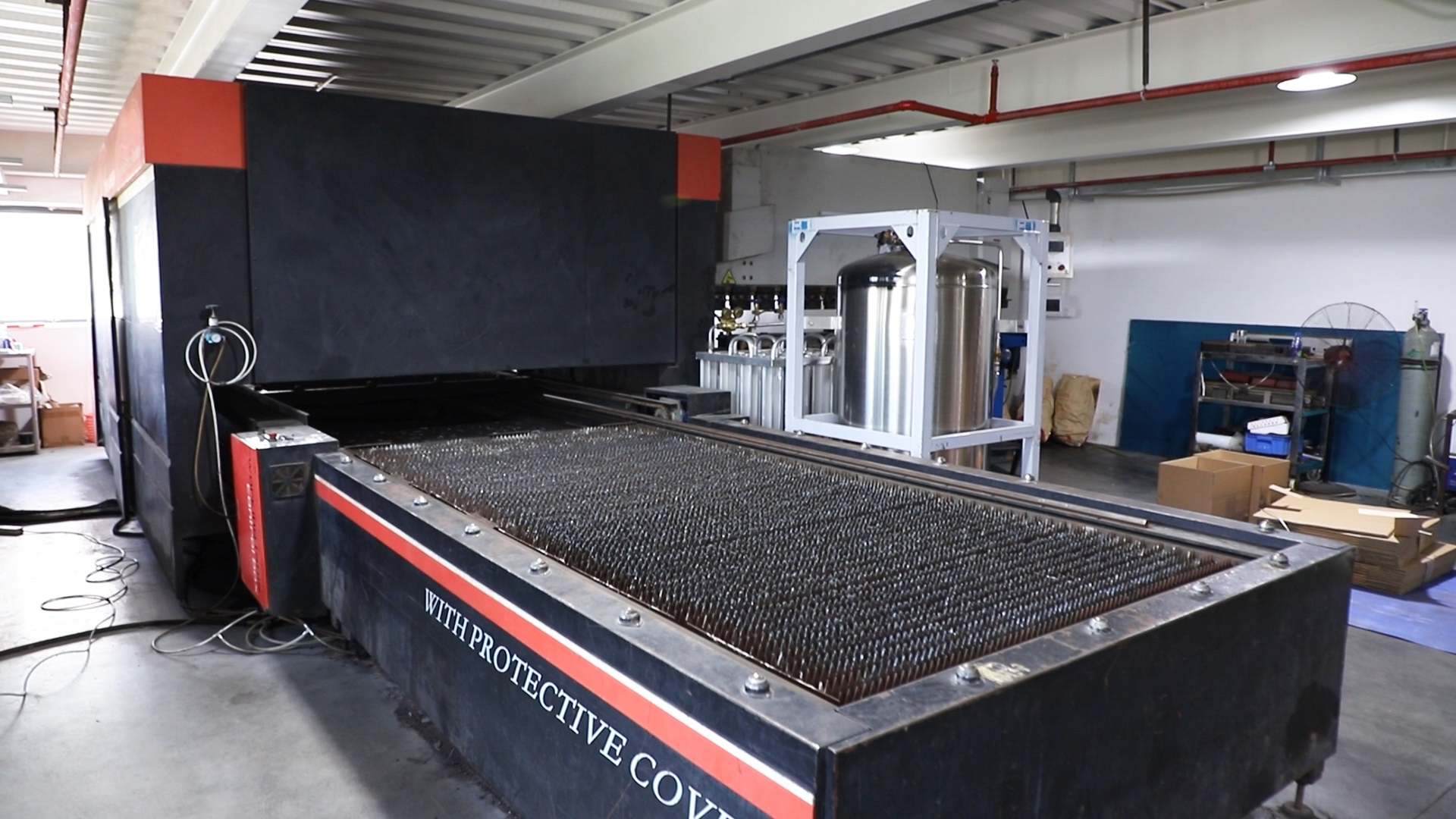
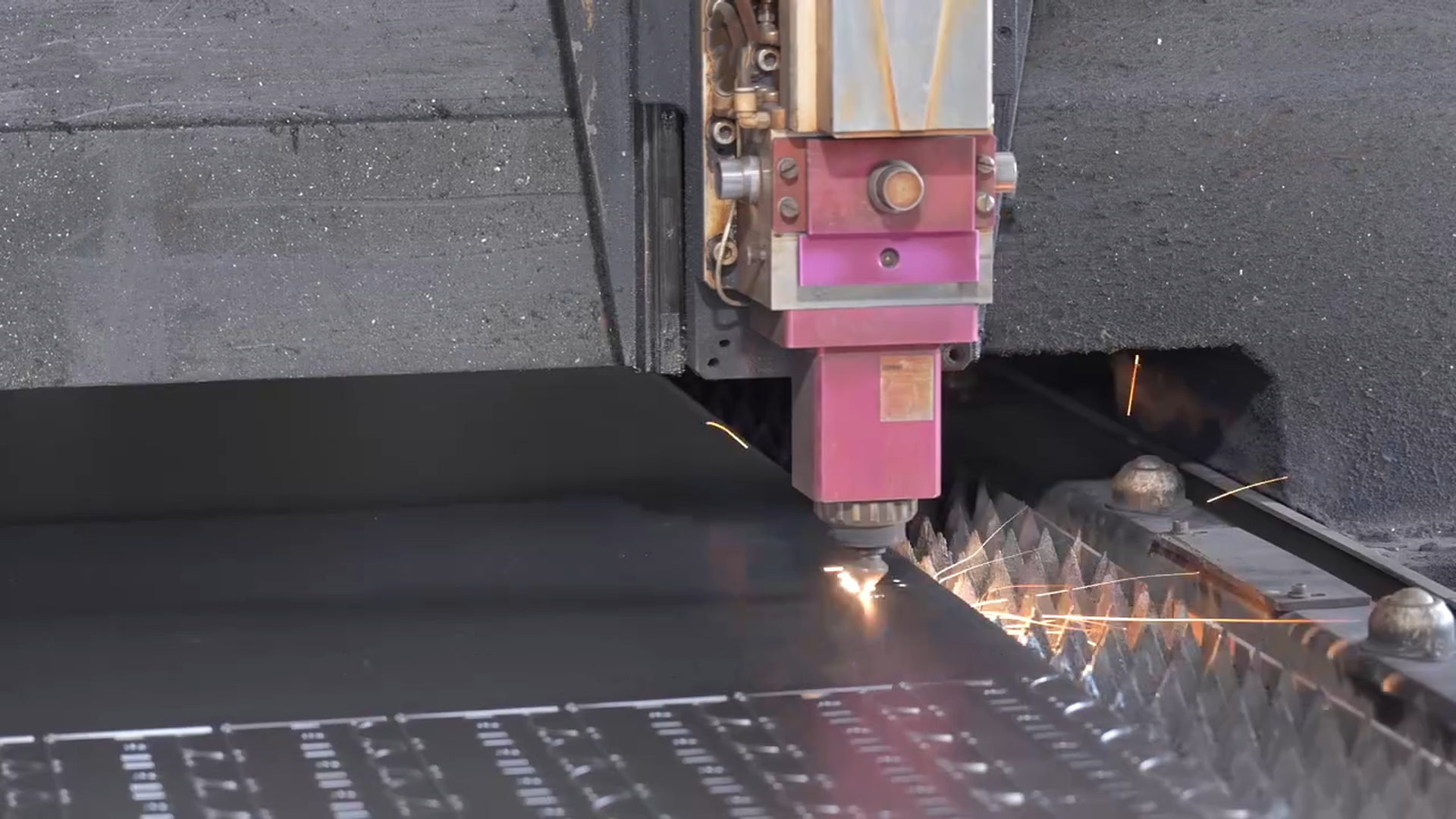
Fiber laser cutting is suited to flat-sheet profiles, holes, slots, cut-outs and nested parts that move on to bending, hardware, joining or finishing. A 3000 W fiber laser can review sheets up to 2000 Γ— 6000 mm. Carbon steel, stainless steel, aluminum, copper and brass can be reviewed up to 10 mm; final feasibility, cut condition and production plan depend on the alloy, thickness, feature geometry and finish requirements.

Drawing Review Material & Finish Options Production Coordination
Laser Cutting production equipment and componentsFrom Your Drawing
to Real Parts

MATERIAL OPTIONS

Choose the Right
Material for Your Part.

For laser-cut parts, material, alloy, thickness, surface condition and downstream process are reviewed together. The same nominal thickness does not imply the same cut behavior, edge condition or production plan across every metal.

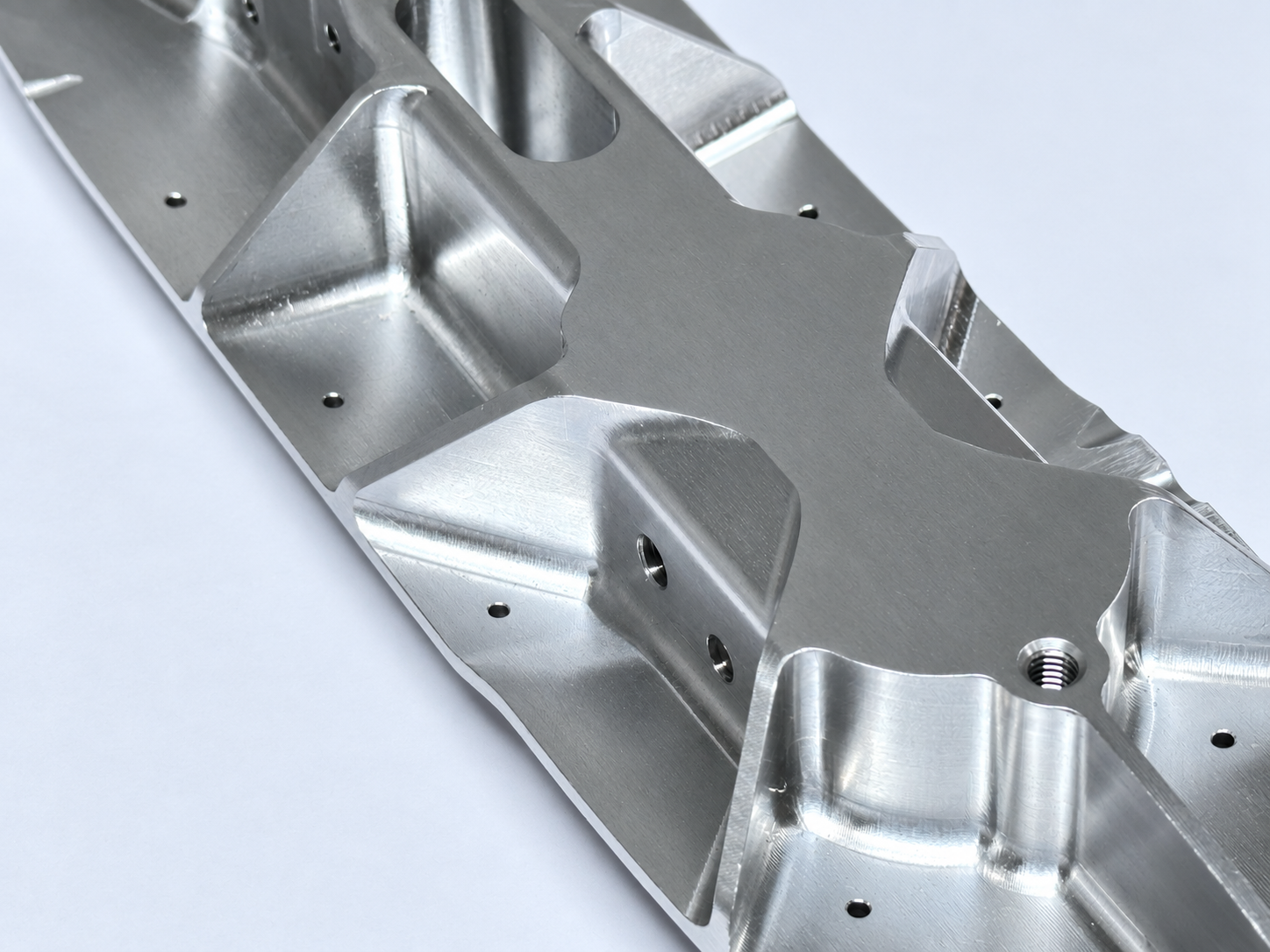
Aluminum material referenceMaterial guide

SELECTED MATERIAL

Aluminum

Forms into lightweight panels, covers and brackets while maintaining useful corrosion resistance.

Common Grades
5052, 6061, 1060
Key Characteristics
Lightweight Β· Formable Β· Corrosion resistant
Typical Applications
Panels, covers, brackets and enclosures
Available Finishes
Anodizing, powder coating, brushing
Discuss your material choice β†’

SURFACE FINISHES

The Finish That
Fits Your Application.

Identify cosmetic faces, protected film or surface requirements, edges that need deburring, bend zones, hardware locations and surfaces that will receive welding or a downstream finish before cutting is scheduled.

01

Powder Coating

A durable colored coating for protection and visual consistency.

View More
03

Anodizing

Corrosion and wear resistance for compatible aluminum parts.

View More
04

Brushed Finish

A directional satin texture for visible stainless steel and aluminum panels.

View More
05

Passivation

A cleaning treatment that improves stainless-steel corrosion resistance.

View More

BUILT FOR A WIDE RANGE OF INDUSTRIES

Laser Cutting
for Real-World Applications

Suitable for flat-sheet brackets, panels, covers, enclosures, plates and nested profile parts. The key decision is whether the cut geometry supports the bends, hardware, joining and finish required by the completed part.

Explore All Applications β†’
Automotive precision manufacturing

Automotive

Flat patterns for brackets, covers and formed vehicle components

Aerospace precision manufacturing

Aerospace

Lightweight cut panels, brackets and ground-support parts

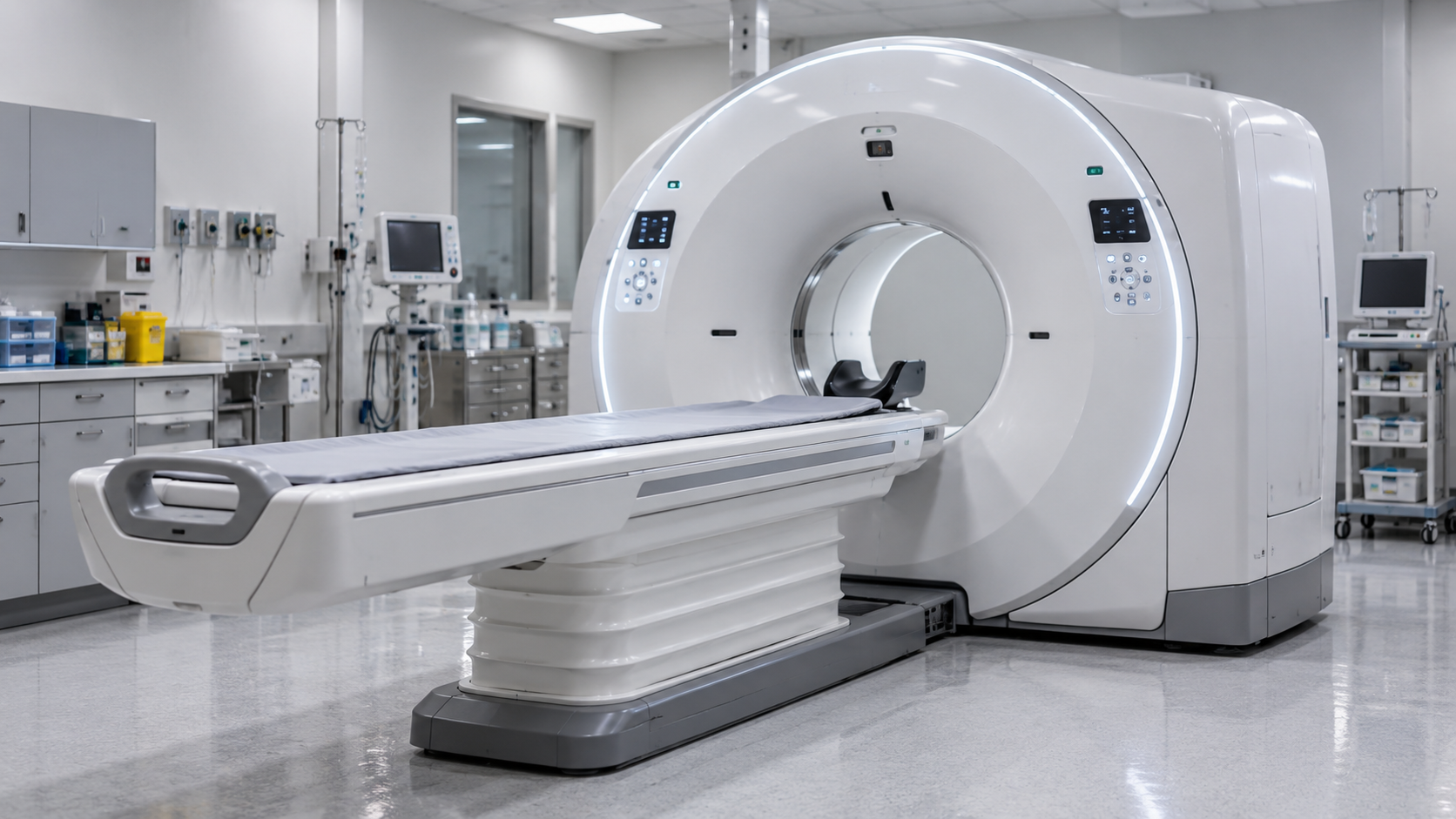
Medical Devices precision manufacturing

Medical Devices

Cut equipment panels, covers and fabricated device support parts

Communication precision manufacturing

Communication

Chassis plates, rack panels and enclosure components

Energy precision manufacturing

Energy

Control panels, brackets and power-equipment sheet components

Marine Vessel precision manufacturing

Marine Vessel

Cut panels, brackets and protective onboard components

BUILT FOR DEMANDING PROJECTS

Inputs That Shape a
Laser-Cut Part

The flat pattern should communicate both the cut geometry and the operations that follow it, because those downstream requirements affect nesting, edge handling and protection of visible surfaces.

01

Profile & Nesting

Provide the external profile, internal holes, slots, cut-outs, quantity and material so the sheet layout and part separation can be reviewed.

02

Feature Geometry

Identify small or closely spaced features for drawing review; kerf and heat-affected considerations depend on the material, thickness and geometry.

03

Edge Condition

State deburring, visible-edge and handling requirements where the cut edge affects fit, safety, appearance or later coating.

04

Downstream Sequence

Show bend lines, hardware, welding and finish requirements so cutting supports the order of later operations.

05

Cosmetic Protection

Identify visible faces, grain direction where relevant and protected areas before nesting, handling and finishing are planned.

Real laser cutting production reference

A CLEARER PATH TO YOUR PARTS

From Drawing to Delivery

Laser cutting converts the approved flat pattern into parts ready for the next operation; the review therefore includes the cut geometry as well as deburring, bending, hardware, joining and finish sequence.

01

Send Drawings

Provide DXF or 2D/3D files, material, alloy or grade where known, thickness, quantity, finish, bend or hardware needs, delivery target and inspection requirements.

02

Flat-Pattern Review

Review profiles, holes, slots, cut-outs, nesting, feature spacing, visible surfaces and the operations that follow cutting.

03

Fiber Laser Cutting

A 3000 W fiber laser can review sheets up to 2000 Γ— 6000 mm. Carbon steel, stainless steel, aluminum, copper and brass can be reviewed up to 10 mm, subject to alloy, thickness and geometry.

04

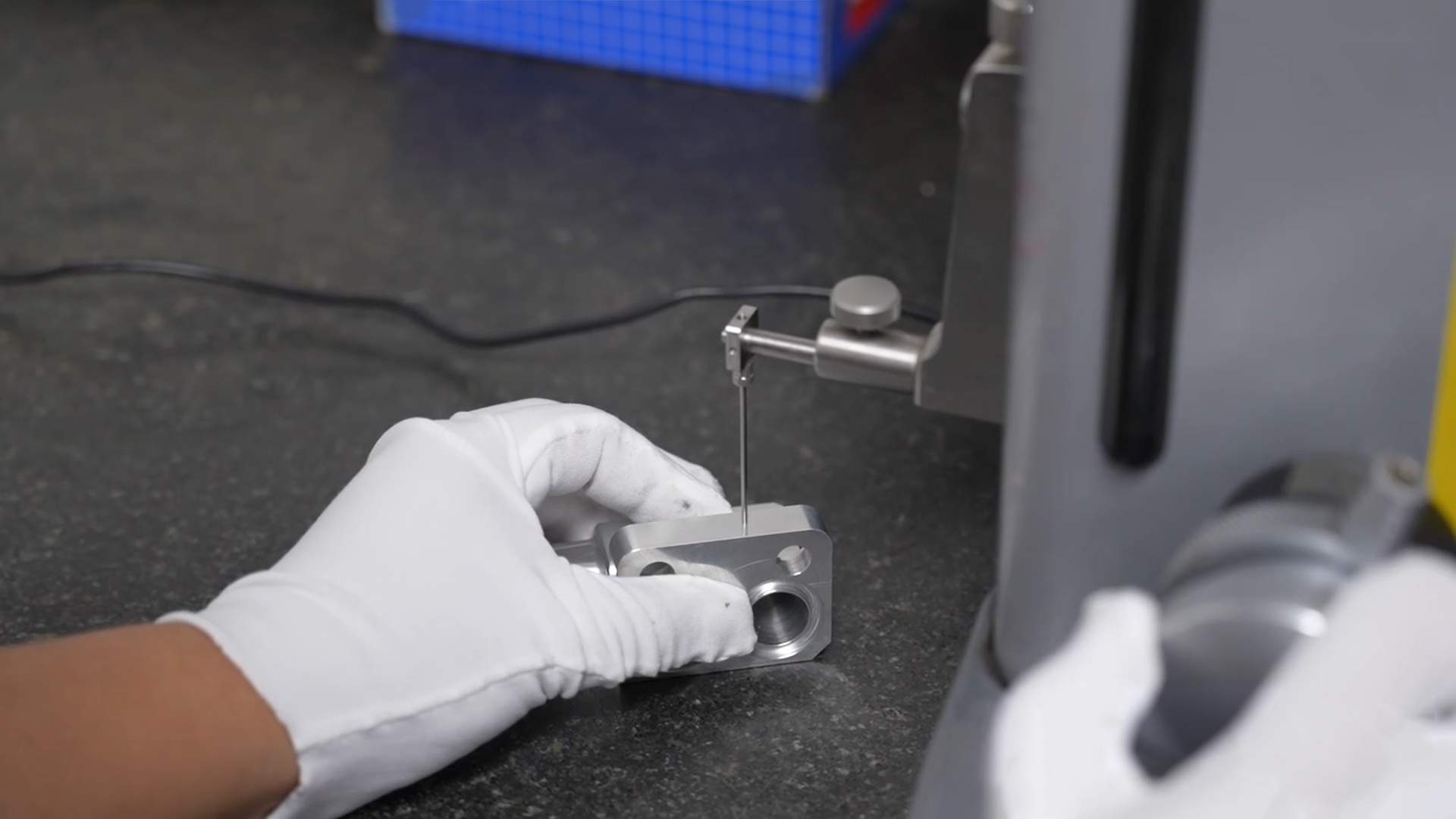
Edge & Part Inspection

Check drawing-defined cut geometry and feature locations, then plan deburring, protective handling and any requirements for bending, hardware, joining or finish.

05

Delivery Planning

Schedule from the approved drawing, material, thickness, quantity, downstream operations and agreed delivery terms; no fixed laser-cut lead time is published.
QUALITY ASSURANCE

Quality Built In.
Confidence Delivered.

Inspection is planned from the flat pattern, including cut geometry, feature locations, edge-condition expectations and the interfaces needed for bending, hardware, joining or finish.

Our Quality Process β†’
  • Drawing Requirement Review
  • Material Verification
  • Surface & Appearance Check
  • Process Documentation
ItemSpecification
Cut profile & downstream featuresProfiles, holes, slots, cut-outs and drawing-defined features are checked against the approved flat pattern and agreed requirements.
Inspection ApproachProcess-appropriate visual, dimensional and functional checks.
Inspection StandardsBased on customer drawings and agreed specifications.
DocumentationInspection information and material documentation available when specified.
Quality PlanningRequirements reviewed before production and monitored through delivery.

FROM PROTOTYPE TO PRODUCTION

Flexible Volumes.
Consistent Quality.

Timing is planned after the material, thickness, feature geometry, nesting, edge handling, downstream operations and inspection scope are understood. No universal laser-cut lead time is published.

Prototype Flat Patterns manufacturing at T-One

Prototype Flat Patterns

Review feature geometry, edge handling and downstream bend or hardware requirements before the route is fixed

Nested Production Parts manufacturing at T-One

Nested Production Parts

Plan material, thickness, quantity, nesting and post-cut operations around the approved flat pattern

Assembly-Ready Components manufacturing at T-One

Assembly-Ready Components

Coordinate deburring, bending, hardware, joining, finish and packaging requirements before scheduling

FREQUENTLY ASKED QUESTIONS

Your Questions, Answered.

READY TO START?

Upload Your Drawings.
Get a Quote.

Send a DXF or 2D/3D drawing with material, thickness, quantity, finish, delivery target and inspection requirements. Identify visible surfaces, edge or deburring expectations, bend lines, hardware, welding and other downstream operations.

Get a Quote β†’
Laser Cutting Services for Sheet Metal Parts | T-One